


Thank you to Mediaboxx for inviting the team to the event.
Introduction
ChargedUp@SG 2.0, is an exhibition hosted by SMU, which explores the future of the Electric Vehicle (EV) transition in Singapore. It features most of the big leaders in the EV Industry in Singapore, from vehicle manufacturers to the companies, organizations and parties benefitting from the transition. And to our surprise, the STC had received an invite for us to view the galleries.
It is unfortunate however, that none of the team was able to make it. We did however, view the public galleries on the weekends. And with the event coming to a close, why not share our general thoughts and experience during the event?
Media Test Drive:
Well, we WERE supposed to test out EVs that we booked. Which makes it unfortunate this activity was involuntarily cancelled, as apparently according to the Tesla staff, Test-drives are only permitted for people aged 25 and above, which none of us drivers made the cut. The staff claim this is per LTA rules, albeit without any written proof.
(If anyone has information regarding Insurance and laws for test driving brand new vehicles, please share it with me, as I could not find it online anywhere.)
Public Exhibition (Informal car model first impressions):
As it is a weekend we went on, the only facility running was the Public EV Showcase, which is where car manufacturers and/or their Authorized Distributors showcase models. Yes, it is basically a fancy car showroom, but the staff here are more open to letting anyone fiddle around the vehicles, even if not interested in making a purchase.
Besides, this is one of the few opportunities we would be able to have a hands-on experience with these cars. Particularly the bigger ones car rental companies may not offer. And I wanted to bring up the elephant in the room.
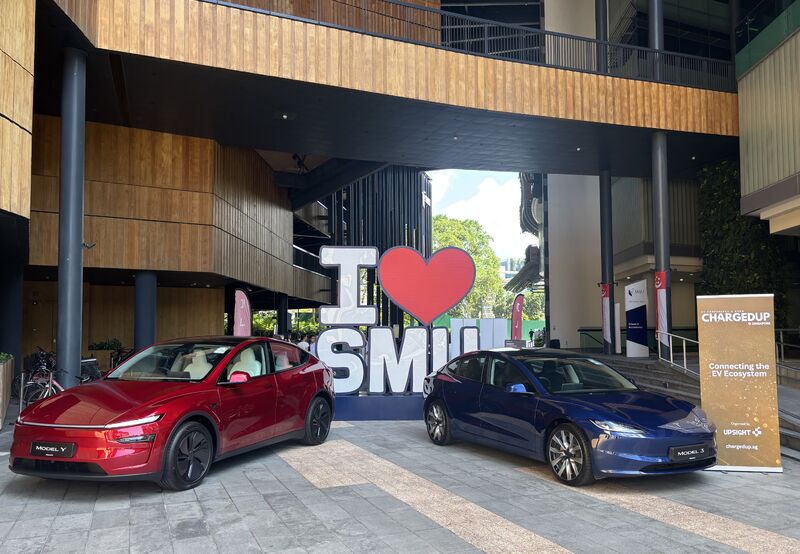
If you were to recall the last post I made a hundred years ago on the STC website. You may remember that I, and most of the team are solemnly against the gentrification of car models into poorly designed SUV-Crossover types. And it’s for a variety of reasons, the core reasons that affect everyone mainly boils down to safety reasons such as:
- Terrible Crash Compatibility
- Obtrusive frontal visibility (for short distances)
- Higher centre of gravity (may fall like domino on tight turns)
So, with this in mind, imagine the seismic shockwave that charged up (pun-intended) our brains when we noticed first-hand, we are indeed evolving, just backwards.
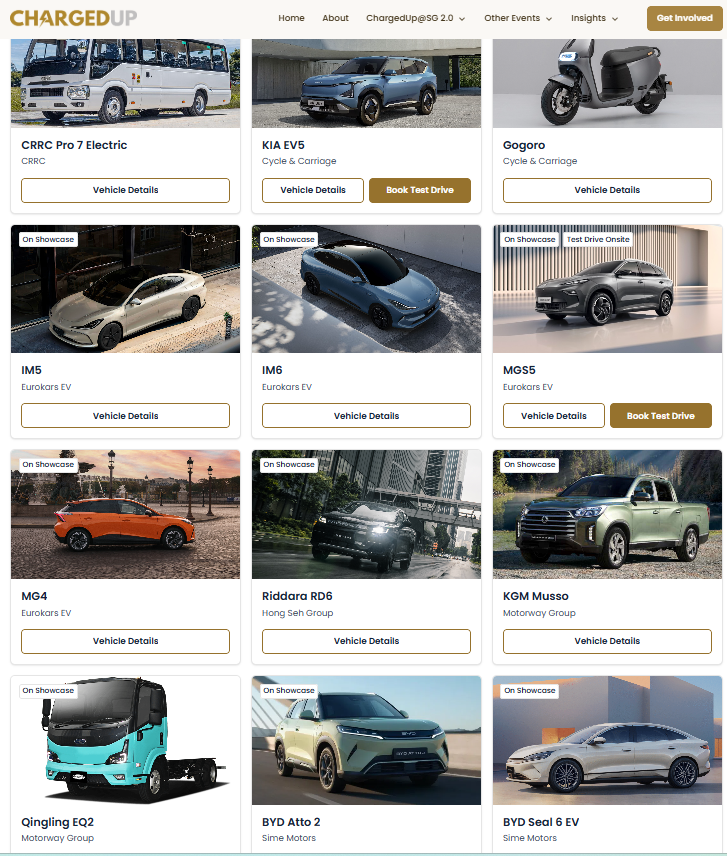
No way we can sugarcoat this, newer EV models all emulate the opposite of optimal road safety. If anything the majority of the EV models we witnessed, were designed with little regard for it. And it’s not a one off thing either, about 80% of the potential pitfalls were shared amongst all the cars we went inside. That me covering just one car is enough to go on a ramble.
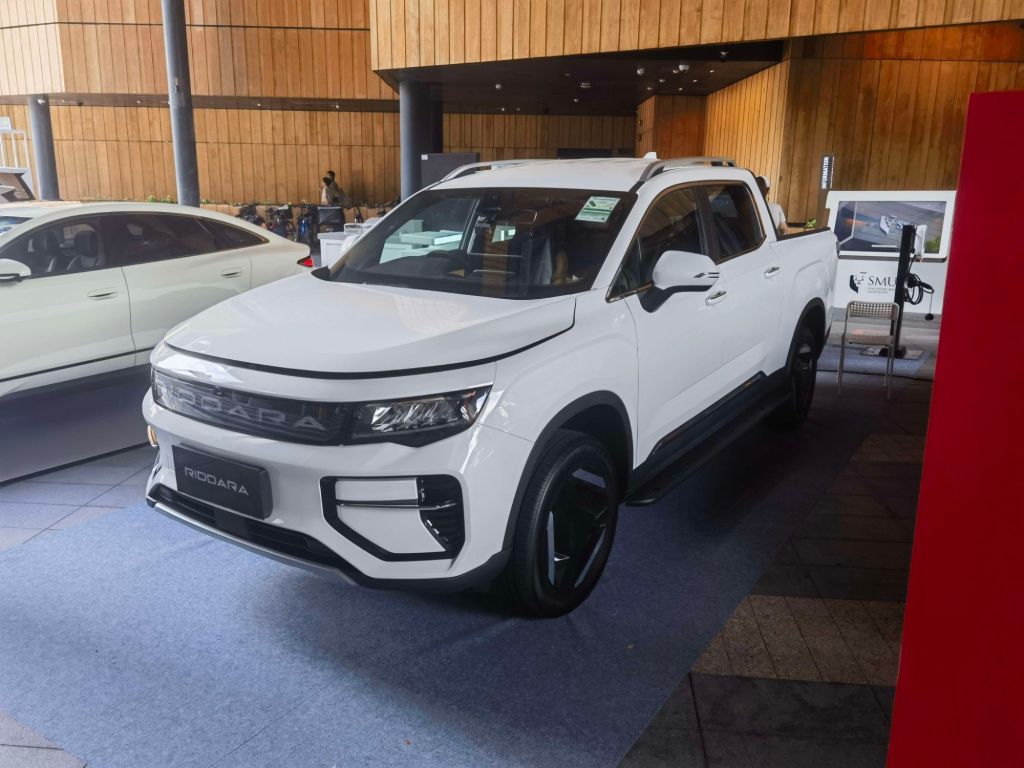
The fortunate part of this “showroom”, is that salesmen don’t mind us “expermienting” with the vehicles. To prove my point, here’s a one-on-one with one of the EVs, a sequel of sorts for the SUV post I made:
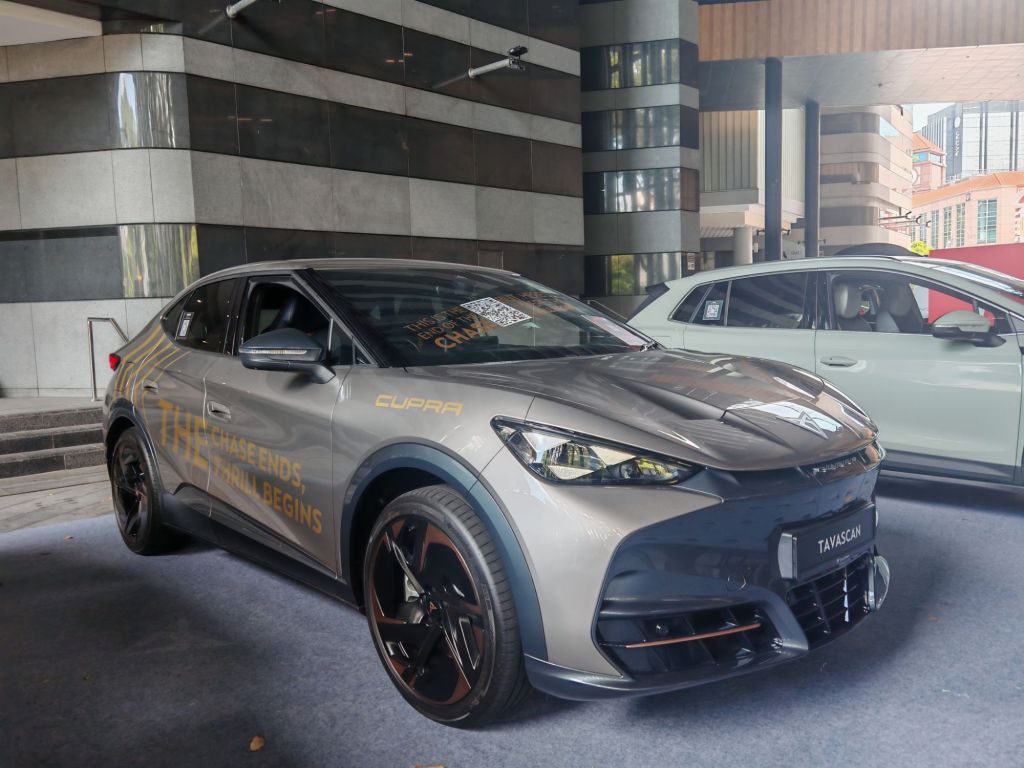
Let me just start with what I liked. Firstly, I found the cabin to be quite spacious and premium feeling. The car feels as well-built as your premium Mercedes E-Class or similar continental cars, and the ample space made putting my bags if I were to drive, a low-effort task.
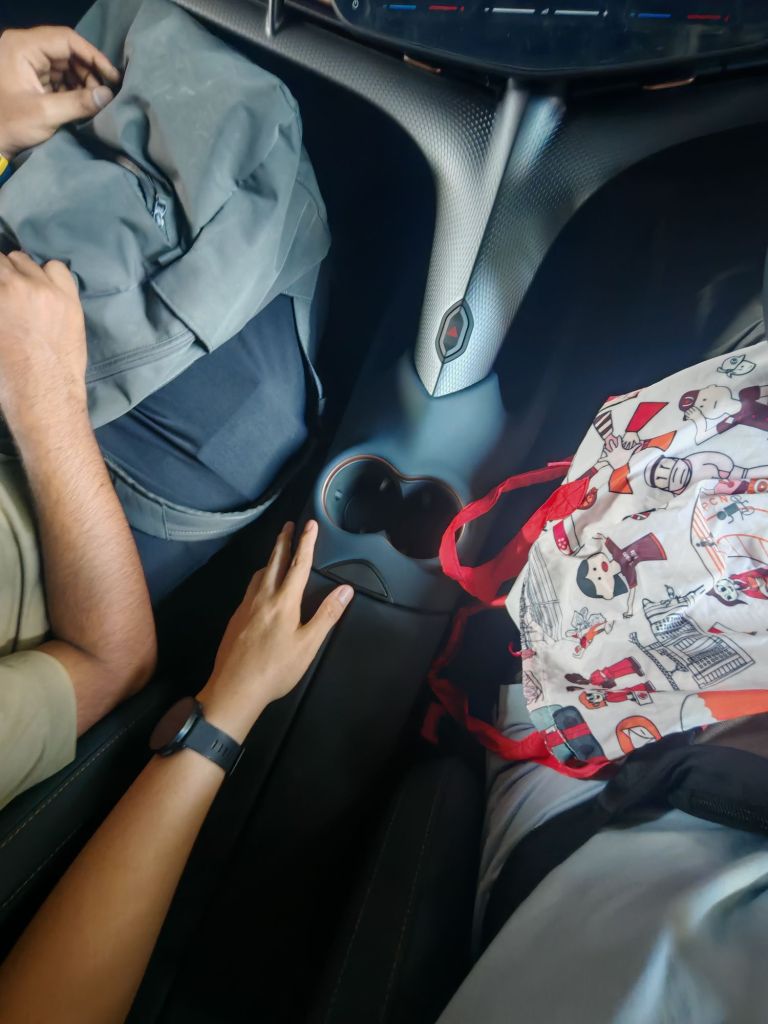
The legroom was also ample, and my passengers at the rear also had little complaints. Air circulation in the vehicle is generally well-ventilated, as the rear has air-con vents and the whole front of the car has vents. To the non-car savvy like my passengers, it felt like a leap forward in terms of their passenger experience!
However, that is all. Time to dial it back to the start, because that is all the things I thoroughly enjoyed, now here comes the pitfalls.
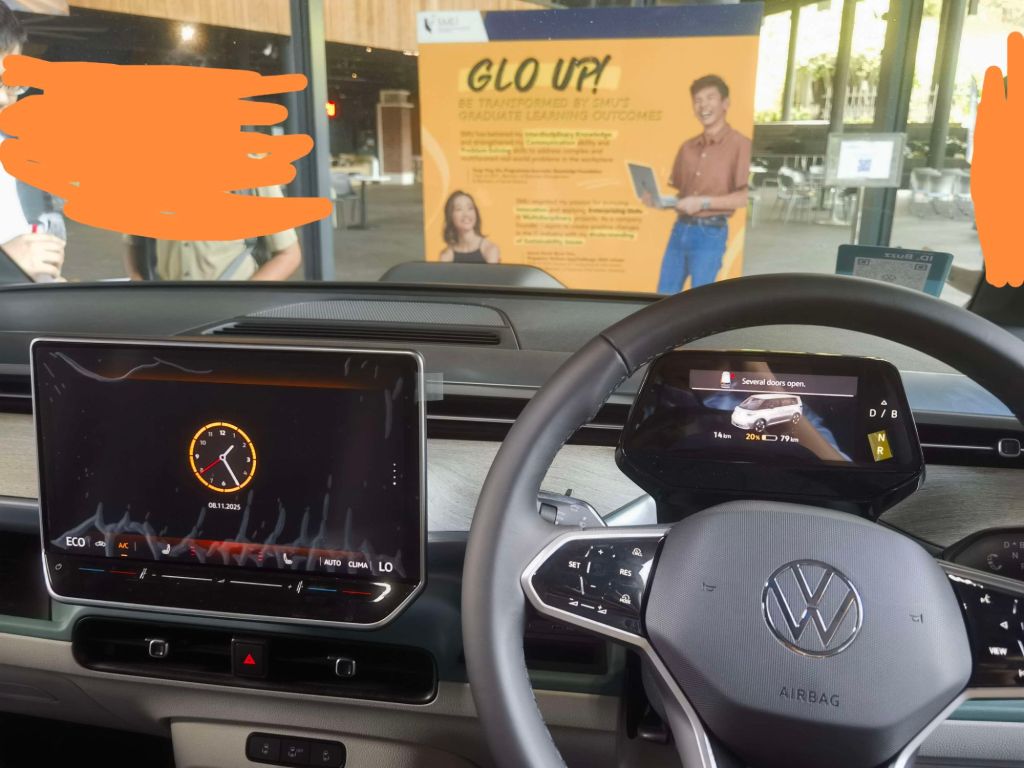
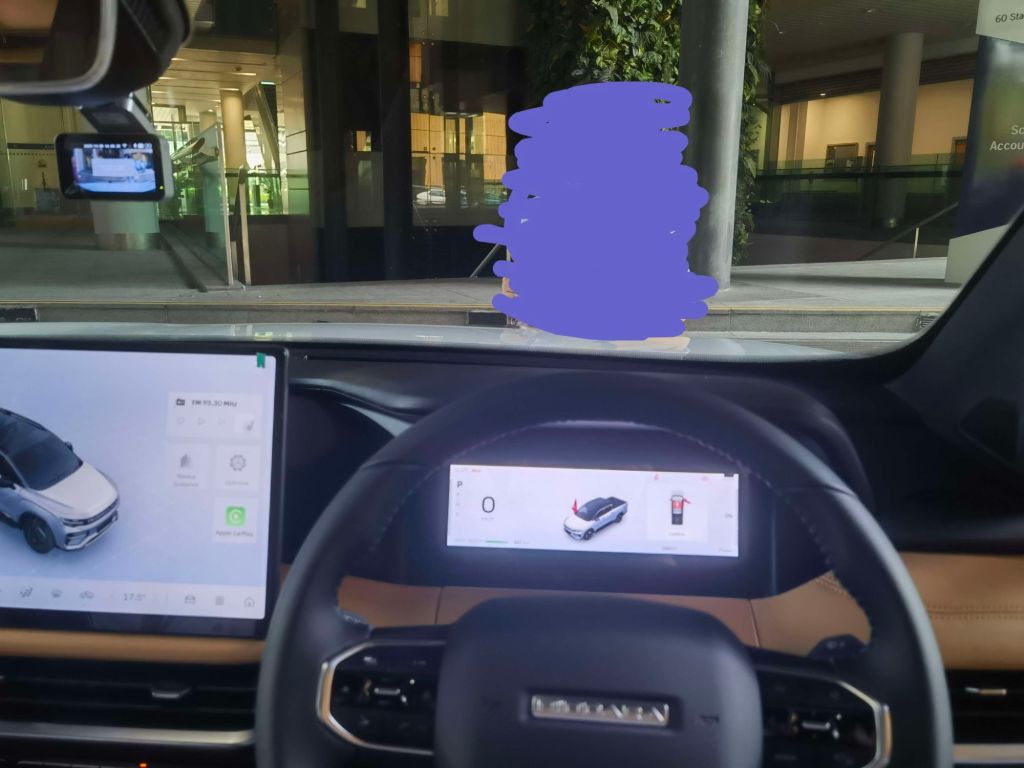
Upon entering the driver’s cabin, I was immediately greeted by the bright, jarring light of multiple displays; one that controls the air-conditioning, infotainment system and other non-essential services, and another performing as the car’s instrument cluster.
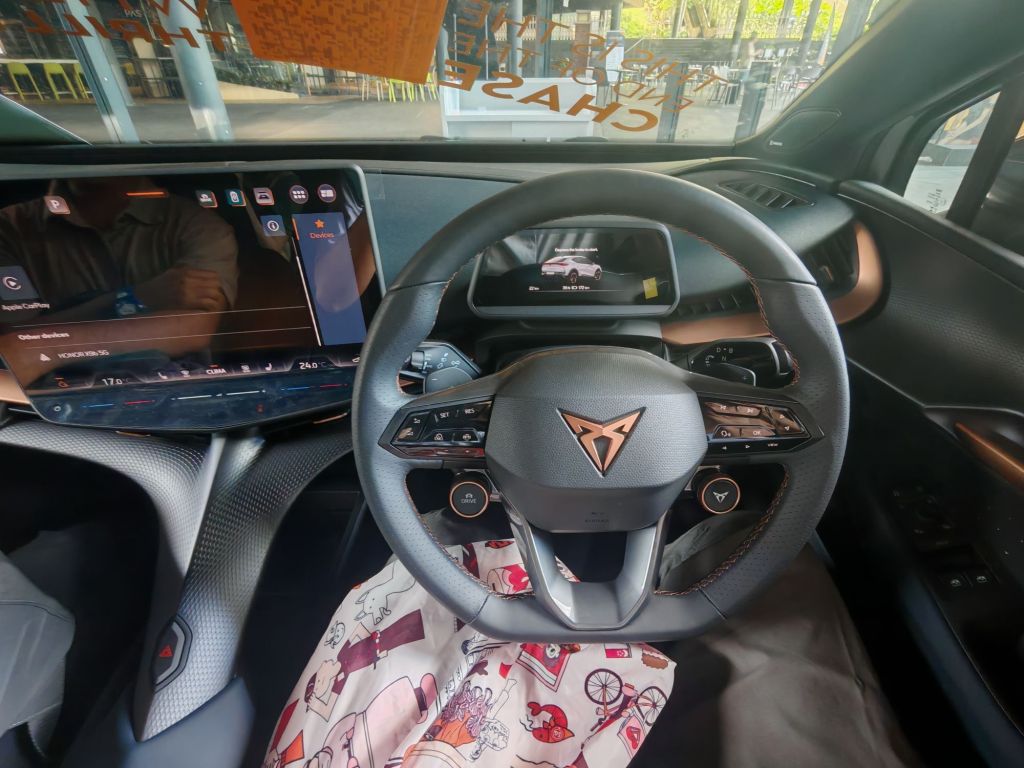

On first impressions, I have to double take; am I sitting there to drive a car, or play a multi-screen PC game? The car even has RGB lighting (not switched on however) that one can mistake it for a gaming PC afar! /s
On a more serious note, there are many issues we did not like about the car. As mentioned, these “features” are not-so-accidentally interchangable with the other car models, so let me break them down.
The first bone to pick, as my front passenger pointed out, is the infotainment screen. Unlike a typical 2010s car which you’ll expect buttons here and there, the screen controls ALL the items, and minimally displays an instruction manual, my passengers faced difficulty figuring out how to do the simplest of tasks like changing the air-conditioning temperature.
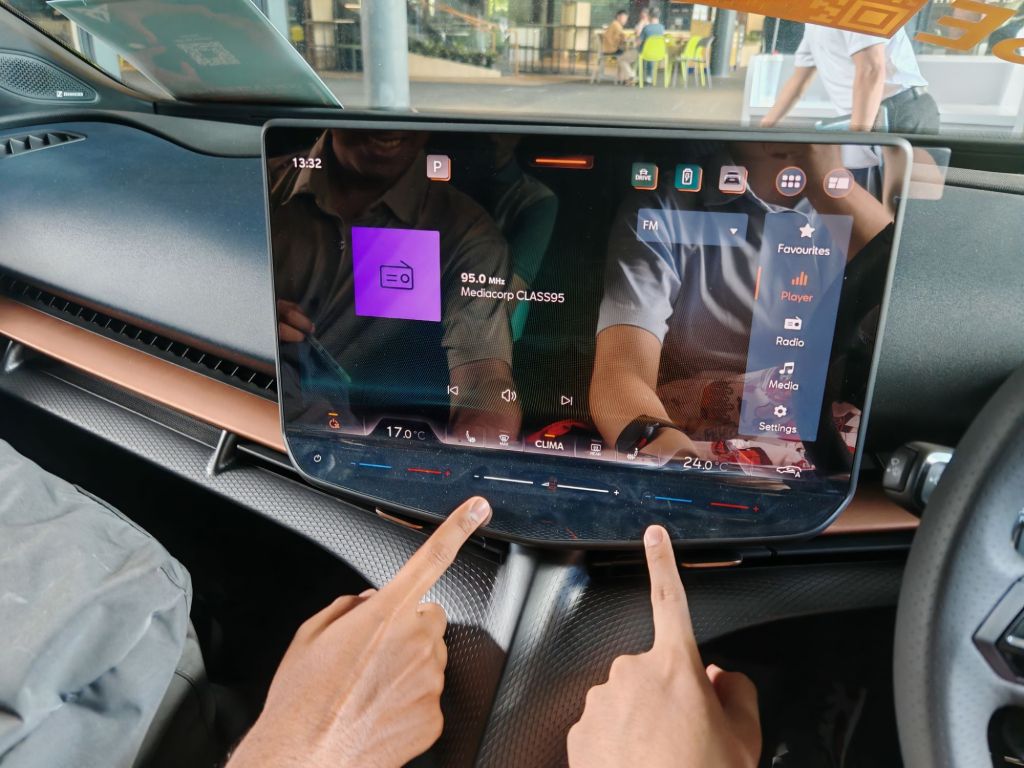
And as a driver, I foresee this to become a safety hazard when adjusting settings while driving. Distracted driving is already an issue, and this setup exponentially amplifies this, as a human’s sense of touch cannot differentiate the screen buttons from one another.
Believe it or not, research shows automobile manufacturers don’t implement all-in-one screens for the purposes of heightening the user experience to new horizons, oh no. They do it because it saves on manufacturing costs. All while consumers perceive it as a step forward, because touch screens are somehow perceived as “high-tech” to oblivious customer.
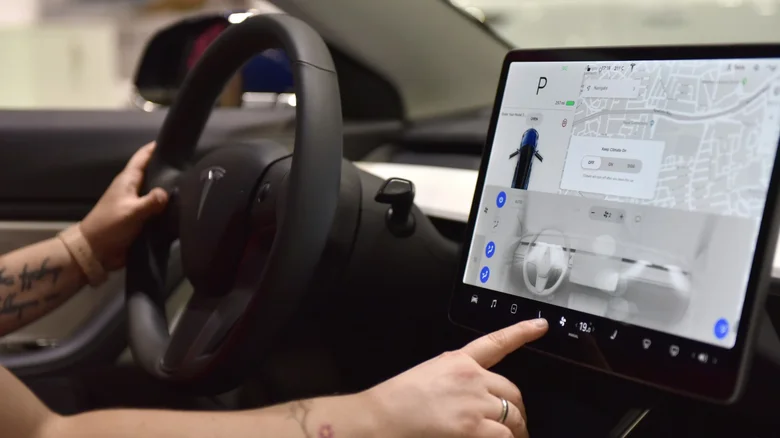
While touchscreens may look more expensive over buttons and physical controls, the mere fact that you can use the same touchscreen model across different makes, models, and variants could save manufacturers millions of dollars in production costs. That’s because the top-of-the-line model could use the same touchscreen display as the one on the base model car. All a carmaker has to do is change the programming to make the display on the high-end car look fresh and more premium.
It also saves on development costs as manufacturers don’t have to make all-new buttons on newer models. They could just reuse the same display, thus making a new car interior much cheaper.
JOWI MORALES
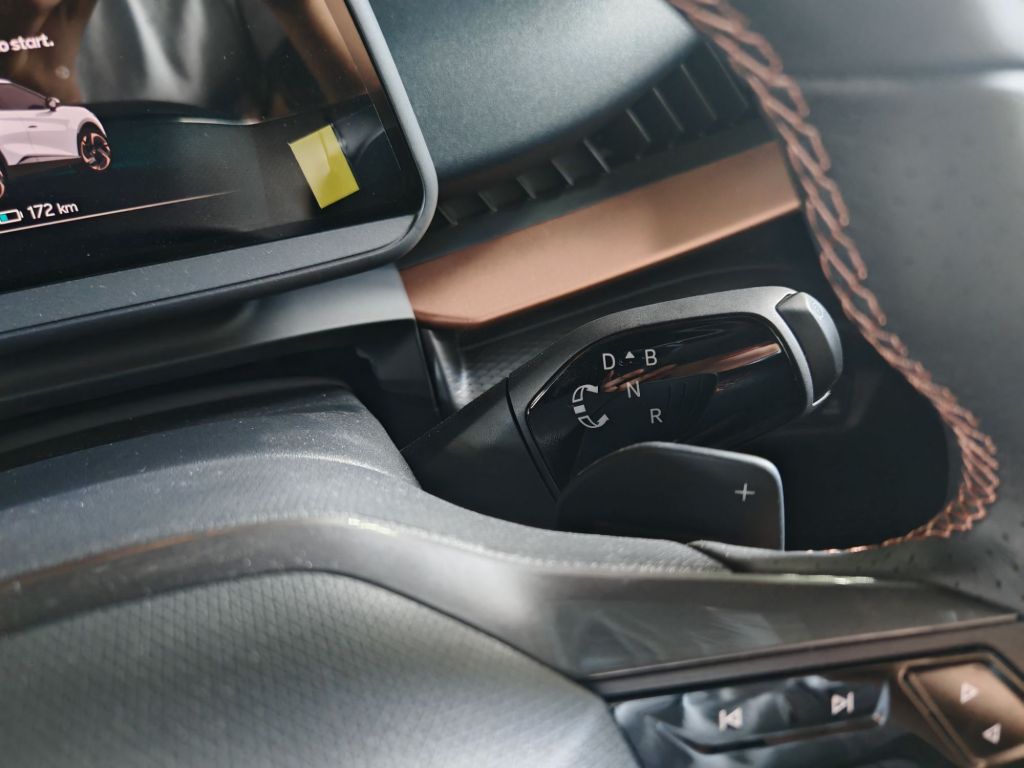
It is fortunate though, that at least passenger vehicles aren’t deregulated to inconceivable levels. Singapore has a baseline regulation: which essential equipment is required to utilize physical switches.. The hazard button is still physical on the center console, gear lever and wiper stalks are still physical switches using a wheel lever. In this case, an clearly continental-inspired gear stalk solution.
Reliability also remains to be seen. Remember how the Murali task force suggested digital mirrors, that came out worse than the genuine mirrors they intended to replaced. Now imagine ALL of our cars roaming our roads equipped with the “upgrade”. I would fear we will have a lot of death traps running our roads if proper QC measures were not put in place.

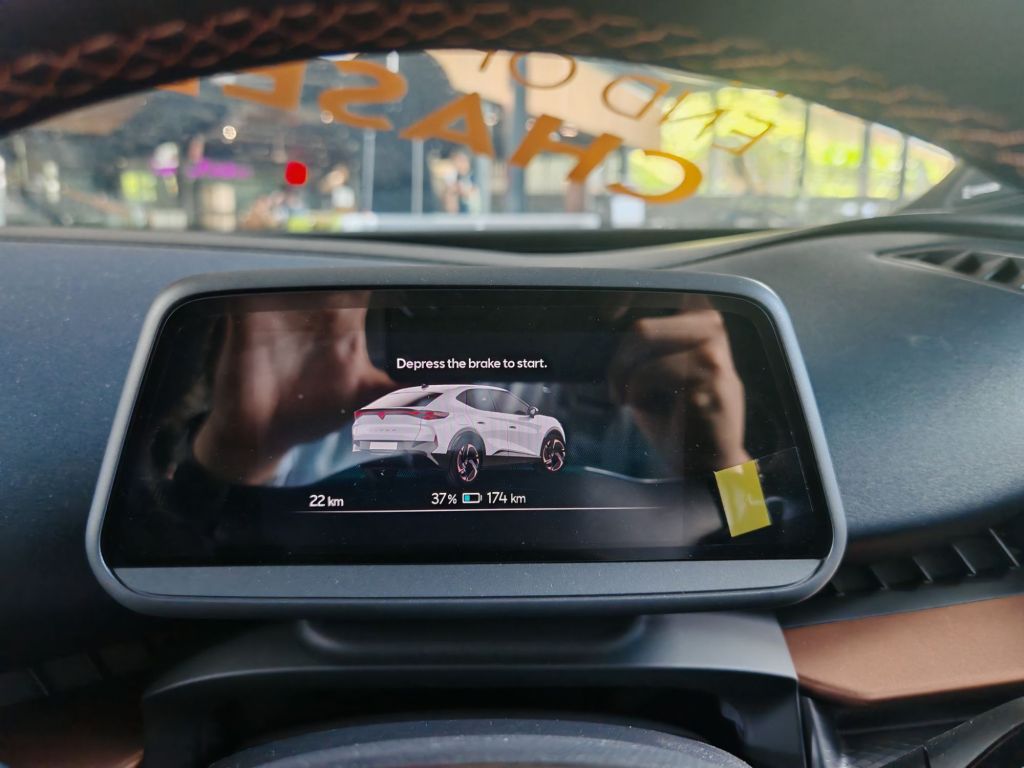
Of course, not exactly a fair comparison given the digital mirrors are an aftermarket modification on our public buses, whereas the digital dashboard is designed in-house. It does not remove the risk of it possibly happening however. I could not figure out how to adjust the brightness of the instrument cluster, which I foresee the display becoming difficult to read in high sunlight environments. As I could not test drive (gosh, darn is not experiencing an EV becoming a detriment to this post), I can only infer and imagine from using my phone in the bright sunlight.
The next thing I noticed, coming from driving shorter hatchbacks and sedans, are the blindspots, particularly the rearmost roof supports where the passengers sit (for car nerds, you may know it as the “C-Pillar”) are designed with such obnoxiously large blindspots. And it’s not a one-off with this car, we noticed the same for other crossovers, like with MG’s and Volkswagen’s designs.
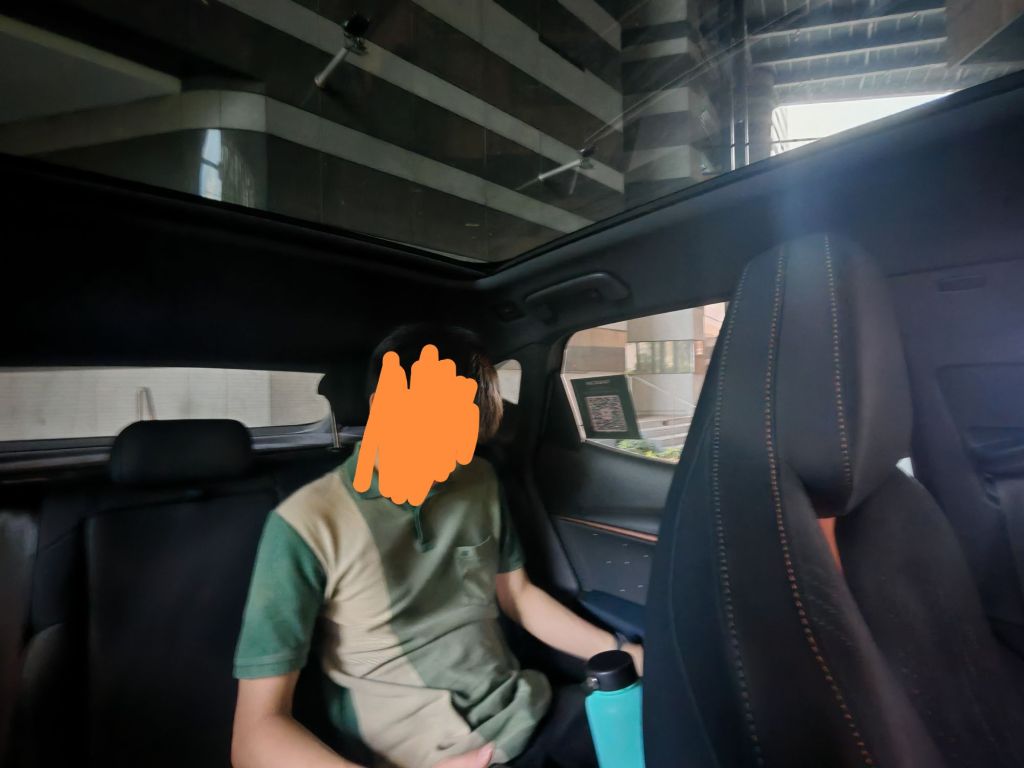
The rear window, like many SUVs I’ve noticed, is literally microscopic, you can’t see anyone or anything through it. Resulting in reversing collisions like this:
https://www.facebook.com/share/p/17hLCqjAeM/
If you don’t feel tunnel-visioned enough, you also drive partially blind in front!
A lot of these vehicles have hoods higher for whatever reasons. As a pedestrian, not only can you not be seen by the driver, but also have the privilege of going under the car at high speeds!
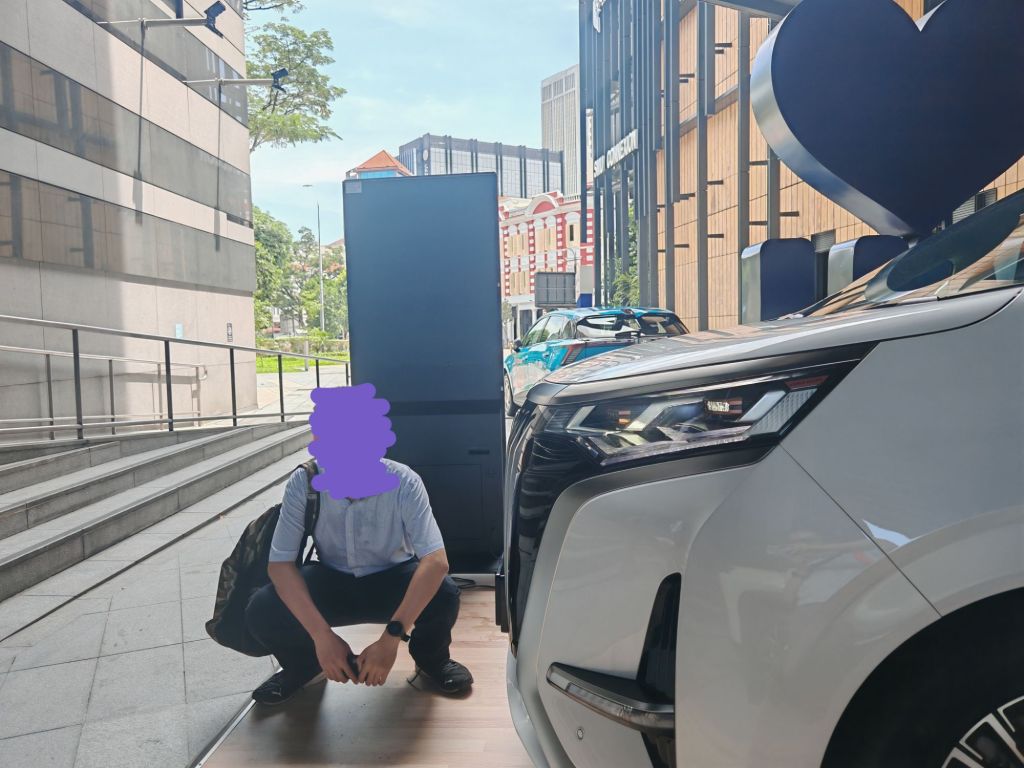
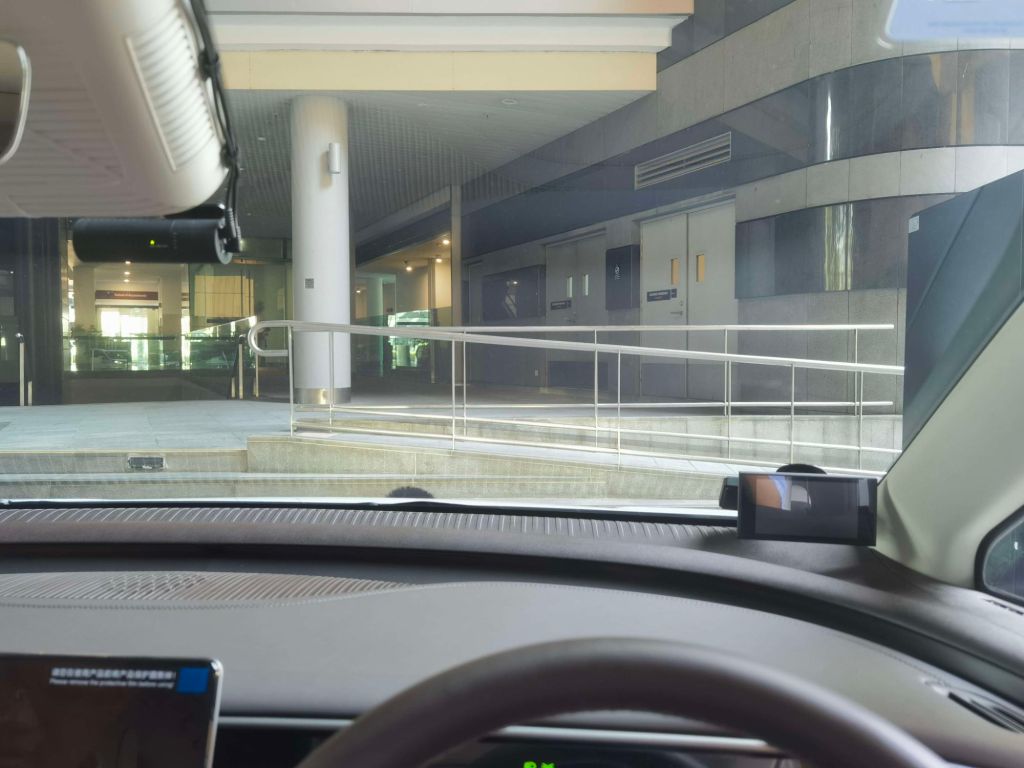
As far as I know and asked, most of these EV makers know about the blindspots as well. However, their response is that their clumsy 360° cameras will cover those invisible patches you can’t see. Which is NOT reassuring in the slightest to us. In the long-term, knowing the careless, reckless and downright disgruntled driving methodology of Singapore drivers would, we would eventually be habituative to RELY on the cameras and sensors to accomplish everything.
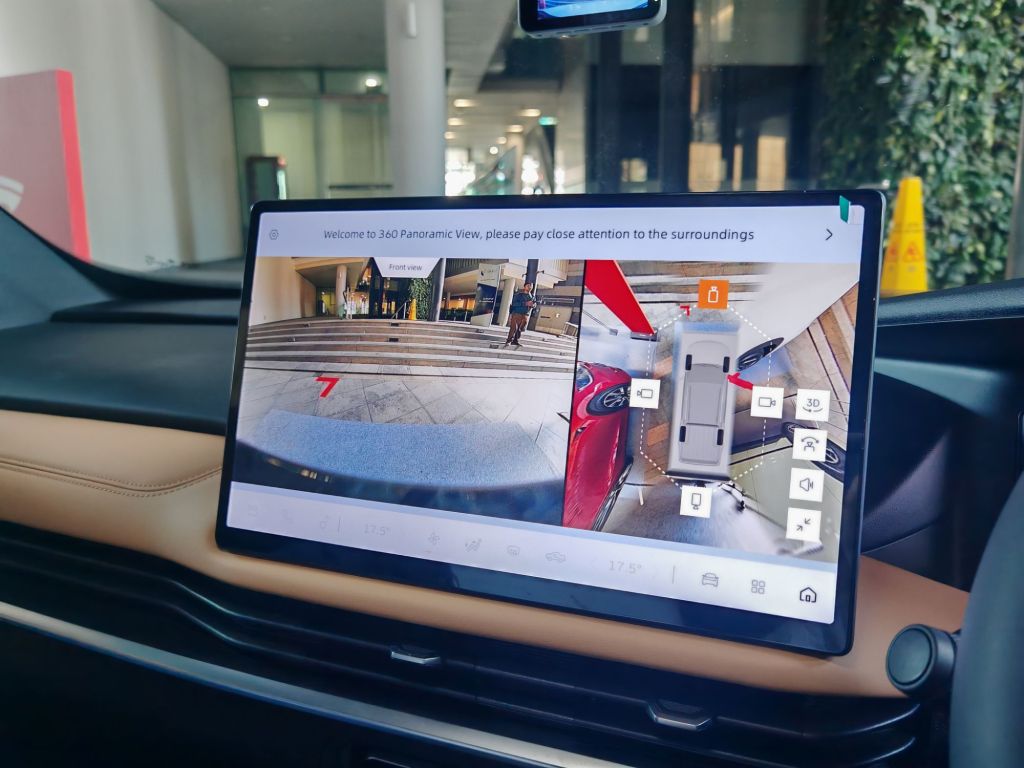
There are also many questionable ergonomics designs. As I cannot stress enough, our regulations prevent manufacturers from hiding the core controls on the tablet. Which results in truly galaxy-brain standards of mapping the controls elsewhere, even more so for that EV brand that prides on minimalist ideas….
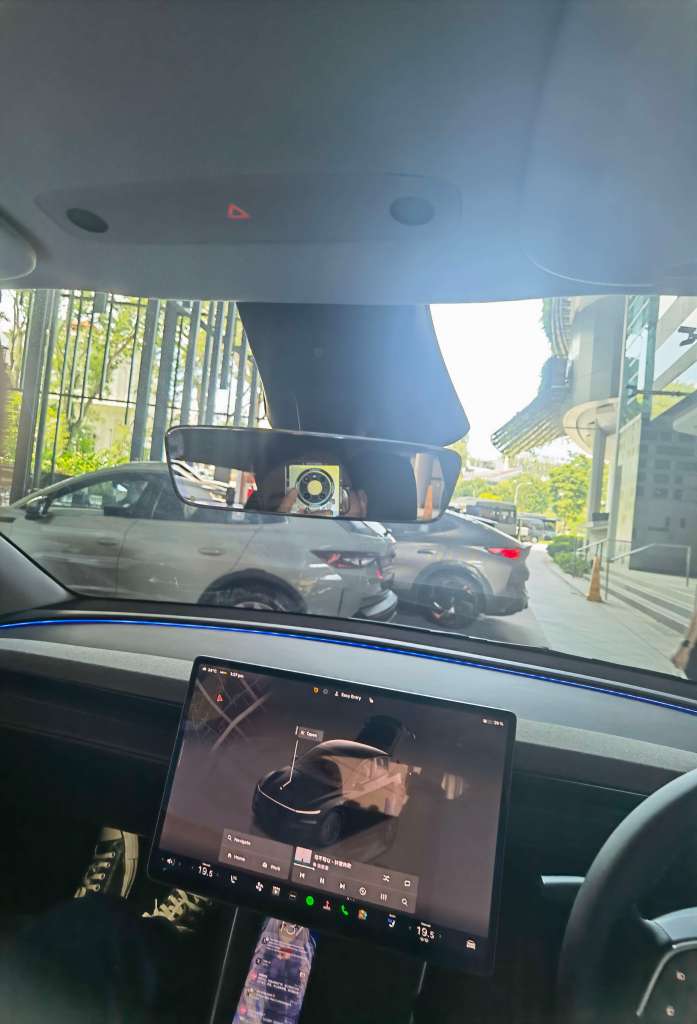
Let us dial back a bit. Remember the italicized text from the SlashGear source? Almost like gospel, every thing I’ve read came true. For most of the cars, including the premium models, their tablet-control panel were clearly not made specially for each model. Instead, a generic screen is shoe-horned BPLRT-style on most of the cars we tried. Neither does it look secure nor classy.
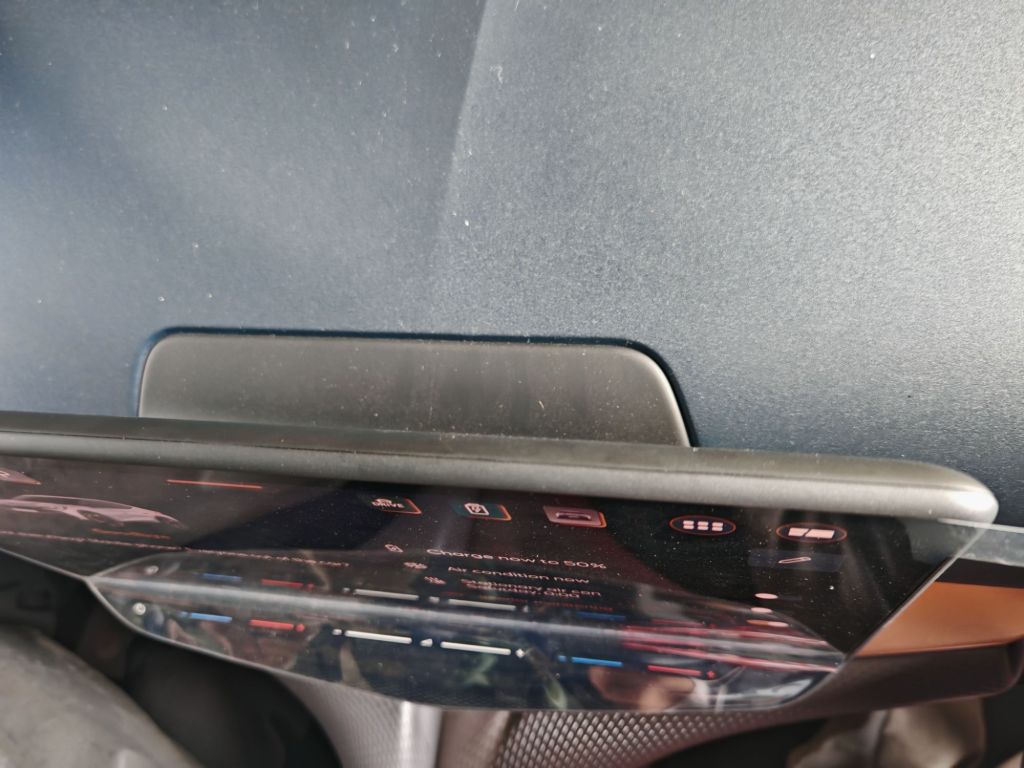
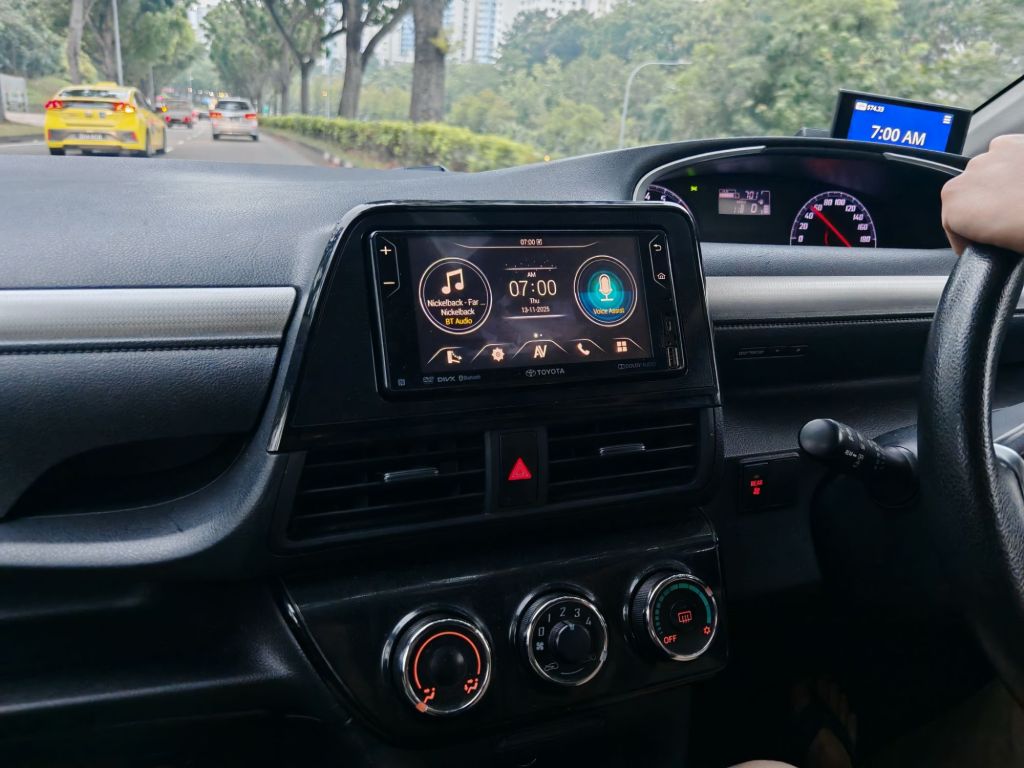
In contrast, from a driver’s practicality perspective, the control panel of cheaper cars outshine the tablet techbro taboo. I say that having driven cars with buttons and knobs (e.g. picture below), and cars with touchscreen-only controls (e.g. Renault Grand Scenic). I can’t emphasise how many missed touches I’ve made because the screen was unresponsive, or false presses from me sometimes accidently touching the screen with my elbow or whatnot.
At this point, I believe advocates of these EV makers may chime in that these cost-cutting tactics are acceptable considering “China quality” or something similar. do not be mistaken. In the case of the Tavascan I’m analyzing, the sales advisor mentioned the car is intended to be a premium vehicle, using the pricier CAT B COE type, comes with (cough cough) luxury bells and whistles like sunroofs and ambient lighting that pitches it as an upscale experience. The entry price in the S$220,000+ range also means competing with premium, established brands, such as the base spec, Mazda 6, Subaru Forester, basically most C-segment SUVs or D-segment Sedans from the Japanese giants. And when you factor out the “up to” $40,000 EV rebate, the “market price” of the car after Singapore taxes puts it at around S$260,000, that is enough to go for entry level German Marques!
Link for the EV in question: (When I checked the page on 12/11/2025, the pages were last updated on 06/11/2025 from the latest COE Biding of the time, price is $221,900)
Link for the prices for the established car brands, recorded at the same date as the EV for fairness:
- Mazda 6 – $220,888 (updated as of 06/11/25),
- Subaru Forester – $219,800 (updated as of 06/11/25),
- Merc B-Class – $263,888 (Updated as of 11/11/25)
I suppose there were also improvements in the usable range of the cars (i.e How far can I go with one battery charge?)
Overall, the team’s first (and possibly last) impressions on each of the cars, is fairly detractive. We can sum up most of the cars as “digitalizing everything down to the last mechanical button on the car dashboards” for the worse. Of course, our inability to test the EV cars in person might’ve skewed our judgement, but we stand by our opinion on this so-called “evolution”.
Mini Interview with ST Engineering Staff
Towards the end of the exhibition, we had the chance of having a casual conversation with a representative of ST Engineering, whom shared some insights on the minibus he was pitching, and information when tendering vehicles for procurement contracts, applicable to both private and public entity customers.

During the talk, important points he brought up included:
- The showcased bus could only cover 240km in Singapore on-the-ground tests, a far cry from the manufacturer’s estimate of 320km.
- How companies in the EV industry, especially those after LTA bus contracts, are extremely competitive and lean. Some companies even share the same chassis, body and other components while slapping their OEM logo.
Not all is terrible dark and gloomy though, we also did similarly learn that compared to when EVs first became accessible, they were basically glorfied test cars you could purchase. In terms of technology, range and materials used, EVs have matured and caught up.
Long-term reliability is to be seen however. The person even brought up the recent Land Transport Guru snippet of the BYD K9RC biting the dust, rumored to be due to a battery kaput from an unknown source. (after all, the bus was built and assembled well before BYD announced their newer gen blade-battery technologies).

Having all these technologies is only half the battle, implied by him. If when talking about current post 2020 EVs, the stigma of their limitations come to mind. Examples are their predecessors terrible range, taking forever to charge, and catching fire easily. The representative thus stressed the need to give a stronger emphasis on fire safety.
CRRC, the company which produces the minibus we were viewing in question, knows this, and sources the batteries from CATL, a rather reputable battery manufacturer. They have invested heavily in battery safety features such as “pressure relief”, force stop EV systems in case of overheating, and emergency ABC powder that deploys when a fire does start. However, they do a poor job at showcasing their battery features to the average consumer, based on the quantity of buzzwords and acronyms the average person can’t translate on their website.
As such, ST Engineering and CRRC’s other authorized resellers have had to do the heavy lifting on B2B marketing to fill in the gap. Which I infer boosted their sales in the Singapore market, and neighboring nations (cue the KL CRRC articulated trial bus).
But in the end, even with the engineering feats and dollars poured into advertising, this is no perfect world, and the best this world can achieve is a non-zero figure on EV spontaneous combustion. But objectively, even ICE cars can also spontaneously combust, putting EV and ICE fire safety on equal footing..
And in terms of bus contracting context, we’ve been told to expect better. As we all know, with LTA’s intent to fully electrify the bus fleet, and Singapore still having thousands of ICE-diesel buses roaming our roads expected to retire, the market potential for commerical EV vehicles is expected to be tens of millions of dollars. More money to be made, means we can bet our bottom dollars even more companies will be bidding for the next mass procurement of Electric Buses.
Ending:
Look, I wanted to feel optimistic about this event. Before arriving on-site, I was initially filled with excitement to test out EVs and pitch how they can make our lives better. But looking back at how empty the public exhibition was, it is safe to say the EV revolution has nearly zero traction, with government subsidies and heavy taxes being the only lubricant keeping the “hype cycle” running like clockwork.
I deeply also would love to appreciate the progress EVs have made over the last decade. But if dumb, dangerous designs such as the exclusion of physical gauges, steering levers and outright cost-cutting continues becoming the norm, even my (already scrapped) 2000s family car feels like a more comfortable and safe car to drive.
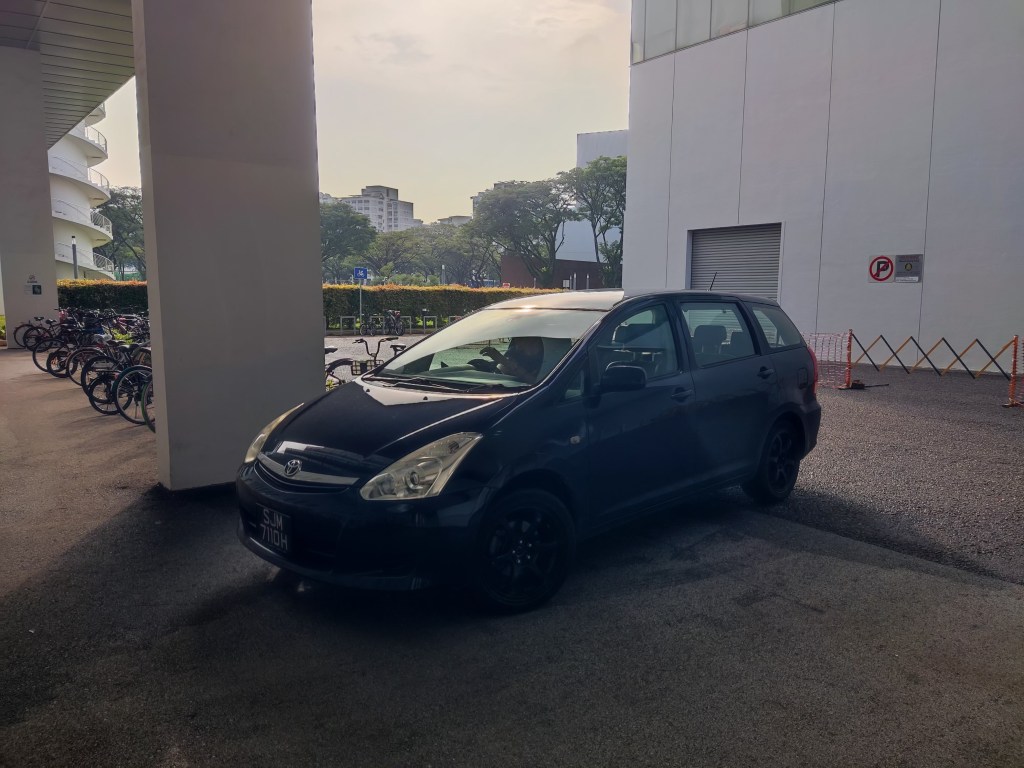
And that is just on the EV transition, when approaching as a partially car-savvy view, the showroom bringing in same-looking vehicles from all car manufacturers following the same, makes it hard to feel anything except disappointment.
Being able to have a talk with someone from an influential organisation on our Public Transport System is the main takeaway we enjoyed. If only the B2B exhibition was still ongoing however so we could learn more insights.
Until then, the team looks forward to any events in the horizon, hopefully for more urbanist events oriented towards public transport. See y’all around!
Interested in building a better future for Singapore’s transport? Join the STC community on Discord today!

 Singapore Transport Collective
Leave a comment